


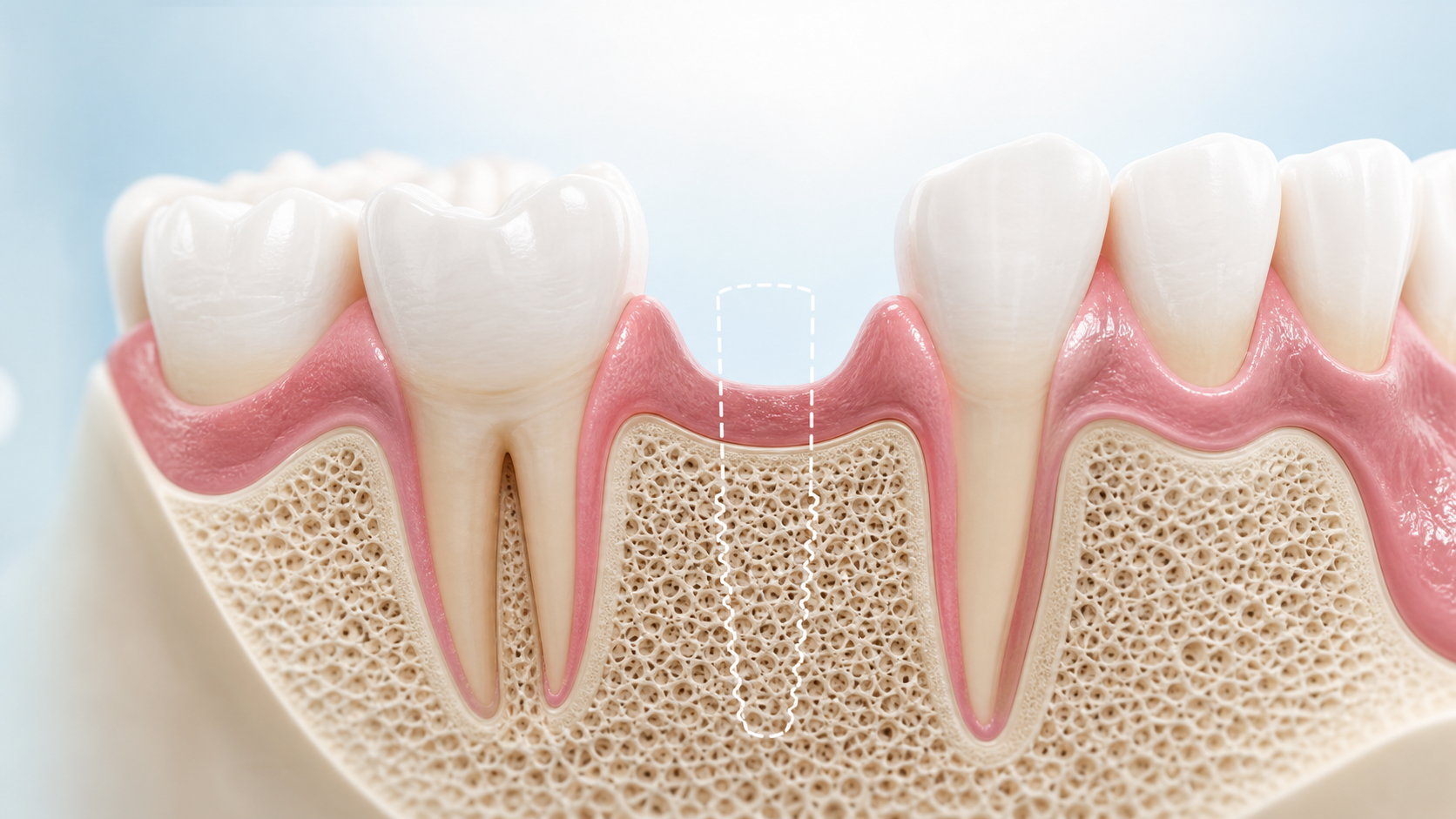
Implant treatment is a common method for replacing missing teeth, but the same plan is not suitable for every patient. The dentist evaluates jawbone structure, gum health, oral hygiene and general health together.
General health evaluation
Chronic diseases, regular medications, uncontrolled diabetes, intensive chemotherapy or radiotherapy history should be considered carefully during implant planning. When needed, the patient's physician may be consulted.
Bone tissue should be sufficient
There should be enough bone volume and density in the area where the implant will be placed. If bone tissue is weak, bone grafting or additional surgical support may be planned.
Why is gum health important?
Gum disease can negatively affect the tissues around implants. Scaling, periodontal treatment or gum-supporting procedures may be required before implant placement.
Implants in complete tooth loss
Implant-supported prostheses can also be planned for patients with no remaining teeth. With a suitable number of implants, removable prostheses can gain retention or fixed prosthetic options can be considered.